Children use their hands and fingers every day. From picking up toys to holding crayons, these small movements help them learn and grow. These tiny movements are called fine motor skills, and they are very important for a child's life. Whether buttoning a shirt, writing letters, or using a fork, these abilities help children do things on their own.
Understanding how fine motor development works helps parents and teachers support children better. This guide explains everything about these important skills and how to make them stronger through fun and easy activities.
What Are Fine Motor Skills?
Fine motor skills are the small movements people make with their hands, fingers, wrists, feet, and toes. These movements help us do everyday tasks that need careful control.
Children use small muscles when they do these actions. Unlike gross motor skills that use big muscles for running and jumping, fine motor skills are about smaller movements. Think of things like picking up a tiny toy, drawing a picture, or putting on buttons.
These skills need different body parts to work together. The brain, muscles, joints, and nerves must work as a team. Children also need hand-eye coordination to see what they are doing and move their hands at the same time.
Why Fine Motor Skills Matter for Children
Strong fine motor abilities help children do well in many parts of life. Knowing why they matter helps parents give better support.
Academic Success and School Readiness
Motor skills change how well children do in school. Students need these abilities to hold pencils the right way, use scissors, and do artwork. Writing skills need good finger dexterity and control.
Children with strong fine motor abilities find it easy to draw shapes, write letters, and color inside lines. These tasks help them feel good about themselves and make learning more fun. Reading and math also get easier when children can turn pages without trouble and use learning tools well.
Daily Independence and Self-Care
Fine motor control helps children take care of themselves. Getting dressed gets easier when they can zip zippers, close buttons, and tie shoelaces. Using forks and spoons requires good manual dexterity.
Brushing teeth, washing hands, and opening boxes all need careful finger movements. When children learn these skills, they feel proud and can do more things alone. Parents spend less time helping with basic tasks.
Cognitive and Physical Development
Working on motor coordination makes the brain stronger. Children learn about sizes, shapes, and how things feel when they touch and play with objects. Motor planning gets better as they figure out how to do harder tasks.
Strong grip strength and muscle strength in the hands come from doing things over and over. These body improvements help children grow in all ways. Children also build spatial awareness and learn how to solve problems through hands-on play.
Fine Motor Development by Age
Children learn these skills slowly over time. Each age brings new abilities and steps to watch for.
Birth to 12 Months (Infants)
Babies start with simple reflexes. The Darwinian reflex helps newborns hold fingers tightly. Around two to five months, babies start reaching for things.
Between seven and twelve months, babies learn the pincer grasp. This means using the thumb and pointer finger to pick up small things. They also start moving toys from one hand to the other. These early movements help build skills for later.
1 to 3 Years (Toddlers)
Toddlers love playing with their hands. They can stack blocks, turn pages in books, and scribble with crayons. Most hold crayons with their whole fist at first.
Manipulating objects gets easier as their finger isolation gets better. Children this age enjoy easy puzzles and can feed themselves with utensils. They start wanting to dress themselves, but still need lots of help.
3 to 5 Years (Preschoolers)
Preschool years bring big improvements. Children learn the tripod grasp, holding pencils with three fingers like grown-ups do. They can use scissors to cut paper and draw shapes that people can see.
In-hand manipulation gets better, letting them flip coins or move small things in one hand. Putting beads on strings, using playdough, and doing harder puzzles become favorite things to do. Getting dressed with less help shows they are growing up.
5 to 7 Years (School Age)
School-age children make their abilities even better. Handwriting gets better as they practice writing letters and numbers neatly. Tying shoelaces finally makes sense after lots of tries.
Children can button shirts by themselves and use scissors with good control. They enjoy coloring with detail, making crafts, and building hard structures with blocks. Their hand strength and precision keep getting better with practice.
Common Examples of Fine Motor Skills in Action
People use these skills all the time during the day. Here are everyday examples children and adults use:
-
Writing and drawing with pencils, crayons, or markers
-
Using eating utensils like forks, spoons, and chopsticks
-
Typing on keyboards or using a computer mouse
-
Playing musical instruments such as the piano or guitar
-
Fastening buttons, zippers, and snaps on clothes
-
Opening containers with lids or twist caps
-
Playing video games with controllers
-
Cutting with scissors during art time
-
Brushing teeth the right way
-
Using keys to open doors
Fun Activities to Improve Fine Motor Skills
Children learn best when they play. These fun activities help make small muscles stronger and build better control.
Sensory Play Activities
Sensory play gives great chances for hand strengthening. Playing with playdough lets children squeeze, roll, and pinch. Making shapes and models builds grip strength in a fun way.
Finger painting helps children be creative while gaining better control. Children also love playing with sand, water, or rice bins. Scooping, pouring, and sorting different materials builds motor control and dexterity.
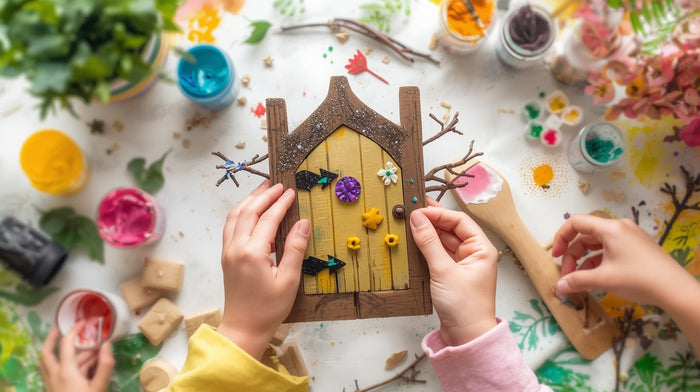
Craft and Creative Activities
Arts and crafts help build careful movements. Cutting with scissors along lines teaches control and waiting. Start with easy, straight cuts before trying curves.
Peeling and placing stickers need careful finger movements. Putting beads onto strings makes hand-eye coordination better. Coloring pictures, especially staying inside lines, builds steady hand control. These creative activities keep children busy while building important skills.
Everyday Home Activities
Regular home tasks give great practice. Opening containers with different kinds of lids helps with problem-solving and strength. Using tweezers or child-safe chopsticks to pick up small things builds an exact pincer grip.
Sorting coins, buttons, or beads by size builds visual-motor skills. Clothespin activities make thumb and finger muscles stronger. Helping with easy cooking tasks like stirring or pouring gives real-world practice that children find useful.
Game-Based Activities
Games make skill-building fun. Building with blocks or LEGO pieces needs planning and careful movement. Children naturally get better at bilateral coordination by using both hands together.
Doing puzzles builds spatial awareness and problem-solving. String and lace cards teach threading skills. Board games with small pieces give practice in picking up and placing things carefully.
Signs of Fine Motor Skill Delays
Some children learn these abilities more slowly than others. Knowing warning signs helps parents get help early when needed.
Watch for these problems that might show developmental delays:
-
Hard time holding crayons or pencils the right way
-
Trouble using forks and spoons without spilling
-
Problems with buttons, zippers, or snaps
-
Not wanting to draw, color, or write
-
Dropping things a lot
-
Weak grip strength or hands get tired fast
-
Hard time cutting with scissors
-
Problems with small toys or puzzles
Occupational therapy can help children who have trouble with these skills. An occupational therapist gives special exercises and tips. Getting help early makes a big difference in building confidence and abilities.
Parents should talk with doctors if they have worries. Schools can give free tests to see if children need extra help. Motor skill development is different for each child, but steady problems need attention.
How Parents and Caregivers Can Support Development
Helping fine motor growth at home makes a real difference. Simple daily things help children build stronger skills in a natural way.
Give plenty of chances for hands-on play. Keep crayons, paper, scissors, playdough, and building toys easy to reach. Doing things often matters more than doing them perfectly at first.
Let children take time to finish tasks by themselves. Try not to help too fast, even when they have trouble. Waiting helps build motor planning abilities and confidence. Be happy about small wins and getting better.
Make activities fun instead of treating them like work. Children learn best when they enjoy what they are doing. Mix different types of activities so they do not get bored and learn different skills.
Make a helpful place where mistakes are okay. Every child grows at their own speed. Being positive and saying nice things helps them want to keep practicing and getting better.
Conclusion
Fine motor skills are the basis for many daily activities and doing well in school. From baby time through school age, children slowly get better coordination, precision, and independence. Parents can help this journey by giving fun activities, being happy about progress, and getting help when needed.
With patience and doing things often, children build the hand strength and control they need to do well in school and life. These important abilities open doors to creativity, learning, and confident self-care that last forever.