Drewart Toys

Wooden Toys vs Plastic Toys: Which One is Best for Your Child?

Picking the right toys for your child can feel hard. Parents wonder if wooden or plastic toys work best for their family. This decision matters because it shapes your child's safety, brain growth, and even the world around them. 
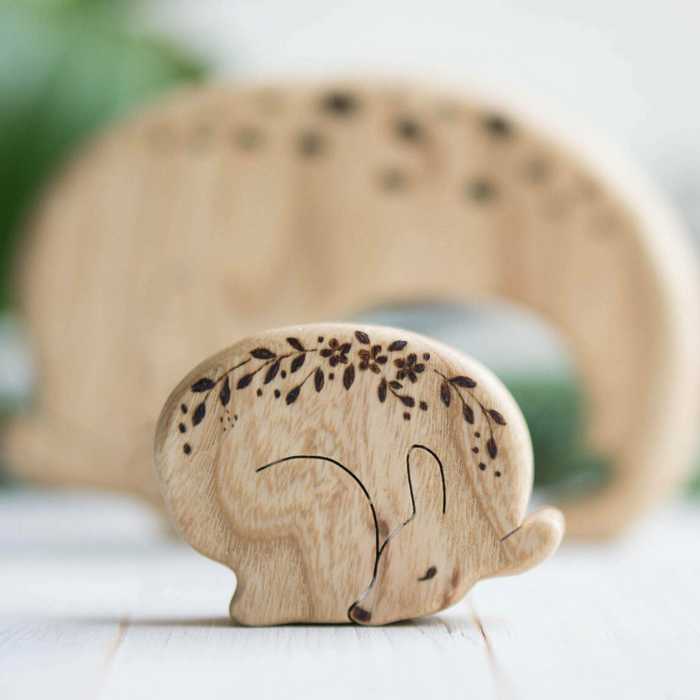
Are wooden toys better than plastic toys for children? Yes, wooden toys are safer, more durable, and better for development than plastic alternatives. This choice affects your child's health, learning, and the environment

We will look at the main differences between wooden and plastic toys. You'll learn about safety issues, how long they last, how they help kids grow, and their real value over time. This information will help you choose what's right for your little one.

Understanding the Basics

Each toy type has special features and gets made in different ways that affect how children play with them.

The Modern Plastic Toy Industry

Plastic toys are made from man-made materials like PVC and substances that come from petroleum. Factories can shape these materials into many colors and forms that catch children's eyes. Companies make millions of these toys, keeping prices low and making them easy to find in stores. Parents see plastic toys as dolls, action figures, building blocks, and cars. These toys feel light and look bright, but many contain chemicals that can harm children's bodies.

Traditional Wooden Toys

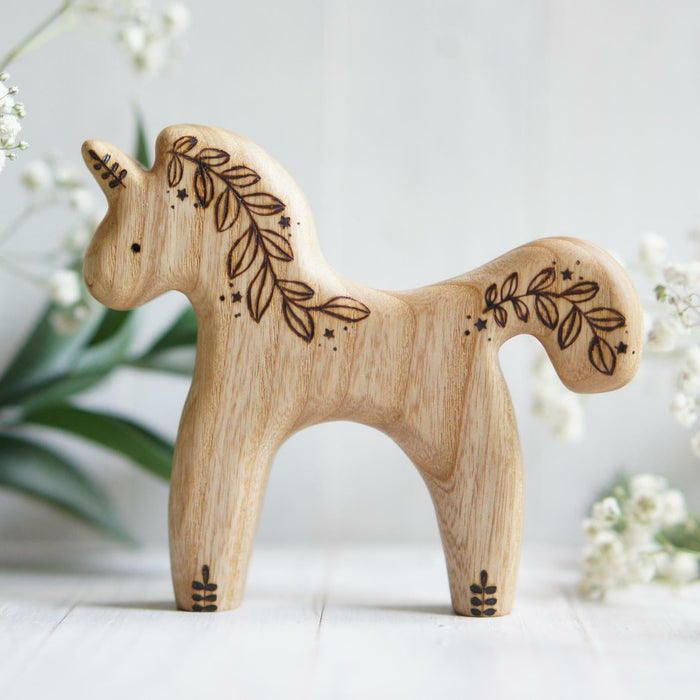
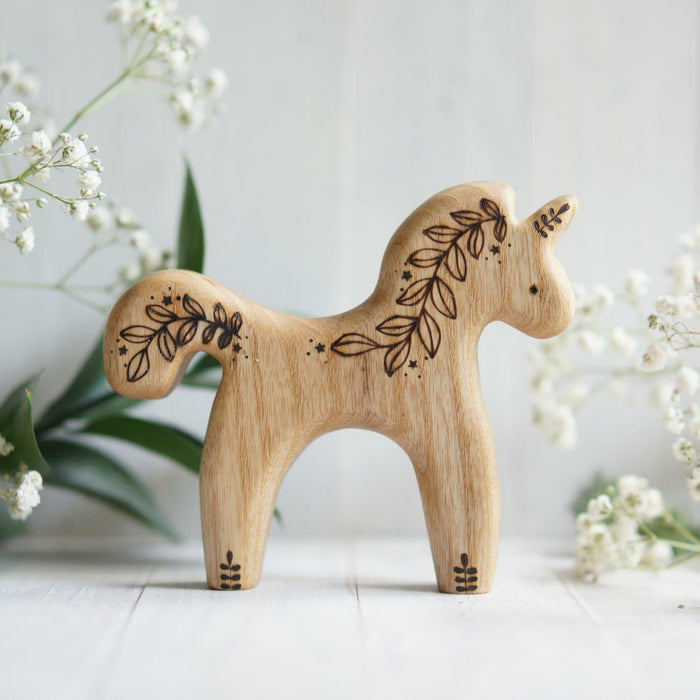
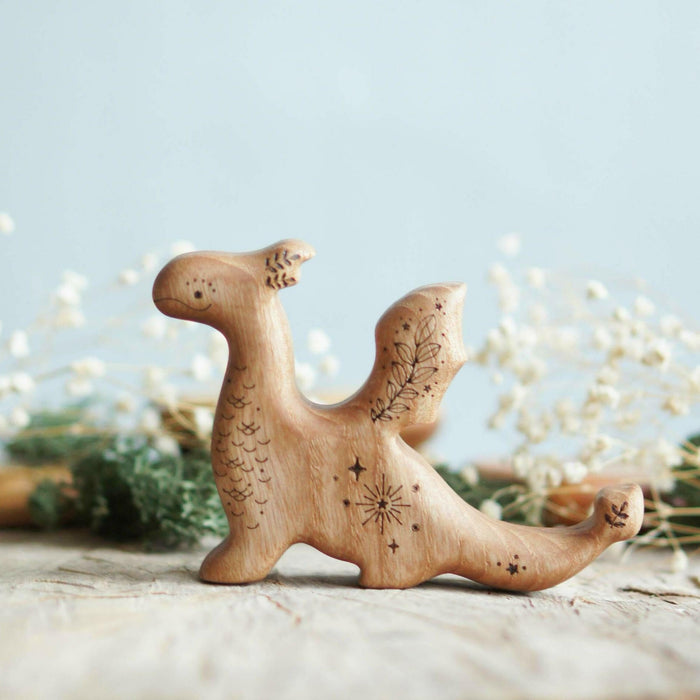
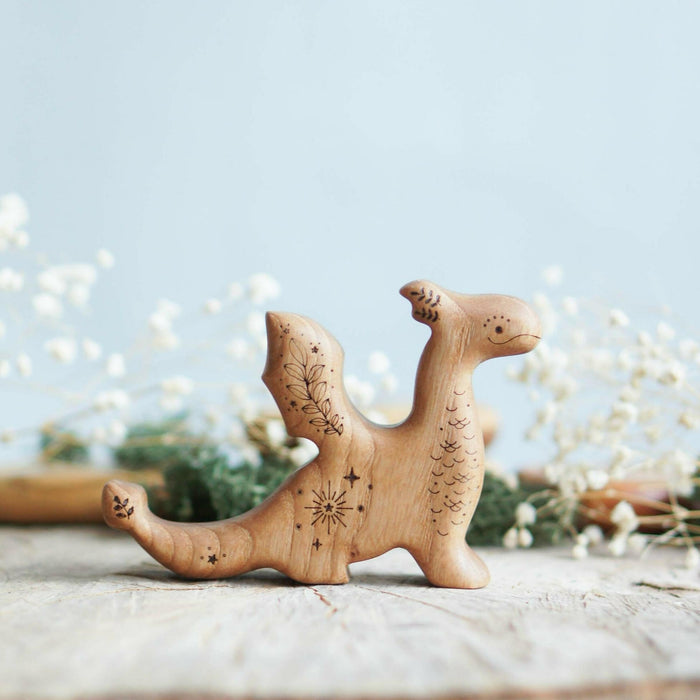
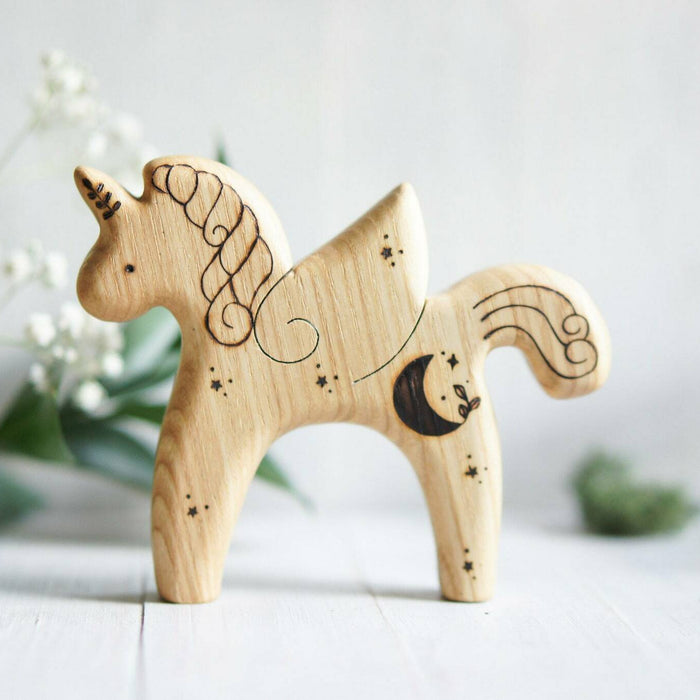
Wooden toys come from natural wood and materials that don't hurt the earth. They exist in many sizes and forms that work for babies, toddlers, and bigger kids. Makers use wood from forests that get managed well, and they finish the toys with safe paints. Wooden building blocks, puzzles, and sorting toys feel special in your child's hands. They weigh more, feel warm, and have real texture. The skill that goes into making these toys means they stay strong and safe for daily play.

Safety Comparison: Protecting Your Child's Health

Parents put their child's safety first, so we need to look at how these materials affect your child's body.

Safety of Wooden Toys

Wooden toys shine when it comes to keeping kids safe. They come from natural materials with no bad chemicals, staying safe even when babies put them in their mouths. Plastic toys can break into sharp bits that might hurt your child. Wooden baby toys don't have this problem. The smooth edges and solid build make them right for young children who touch and taste everything around them.

Chemical Concerns in Plastic Toys

Many plastic toys hold dangerous substances like phthalates, BPA, lead, and cadmium. Research shows that over 126 different chemicals sit inside common plastic toys. Scientists call many of these chemicals possible cancer-causing agents. Safety groups pull plastic toys from stores all the time because they have too many heavy metals. When children bite or suck these toys, their bodies take in harmful things that can change how they grow and feel.

Natural Antimicrobial Properties of Wood

Wood fights off bacteria and mold on its own without needing chemical treatments. The natural compounds in hardwoods like maple and beech stop harmful germs from growing. This means wooden educational toys stay cleaner and safer for your child. You can wash them with gentle soap and water, skipping harsh cleaners that might leave bad stuff on the toy's surface.

Environmental Impact Assessment

The toys we buy affect our children now and the world they will live in tomorrow.

Eco-Friendly Nature of Wooden Toys

Wooden toys treat our planet better. They break down naturally and can get recycled, so they don't pile up in garbage dumps for hundreds of years. Many wooden toys come from forests that people manage with care and FSC marks of approval. When a wooden toy wears out completely, nature takes it back without leaving poison behind. Buying wooden toys teaches your children to care about the Earth.

Environmental Cost of Plastic Toys

Plastic toys damage nature in several ways. They start as petroleum, which we can't replace once it runs out. Making plastic toys creates dirty air and uses lots of energy. The main trouble is that plastic needs thousands of years to rot away. When these toys reach garbage dumps, they let harmful chemicals seep into dirt and water. Making plastic toys releases far more carbon into the air than making wooden ones does.

Durability and Longevity Analysis

How many years a toy survives changes its real worth and how much money your family spends.

Construction Quality Differences

Wooden toys use strong building methods with special joints, careful connections, and old-fashioned skills. Wooden puzzles and stacking toys survive years of rough play. Plastic toys rely on thin walls and snap pieces that break without much force. When a wooden toy gets damaged, someone can often fix it. Plastic toys usually go straight to the trash bin after they break.

Long-Term Value and Cost Analysis

Wooden toys cost more when you first buy them, but they save money as time goes by. A good wooden toy might need $150 at the start, but keeps working for years without buying another. The same plastic toy might cost $30 but needs replacing 8-12 times across ten years, adding up to $270-$390. Wooden toy sets become special family items that younger brothers and sisters can use later. People can also sell them for 50-70% of what they paid, which you can't do with broken plastic toys.

Developmental Benefits for Children

The toys children touch and play with every day shape how their minds grow and what skills they build.

Cognitive Development and Creativity

Wooden toys push children to use their imagination in open ways. Electronic plastic toys tell kids exactly how to play with them. Wooden building toys allow children to make up their own games and stories. This freedom builds problem-solving abilities and helps kids think in new ways. Children become creative thinkers when nothing limits what they can imagine. Plain wooden blocks turn into towers, houses, cars, or anything a child dreams up.

Sensory Development Advantages

Natural wood gives children rich experiences through their senses. Children feel different textures in the wood grain, notice various weights, and sense how wood gets warmer when they hold it. These experiences using many senses at once make brain connections stronger in growing children. The touch feelings from wooden sensory toys help children learn about space and where their body parts are, which they need for everything they do.

Motor Skills Enhancement

Playing with wooden toys makes the small muscles stronger that children need for writing and daily jobs. Stacking blocks, putting puzzle pieces together, and moving wooden shape sorters around build hand muscles and make hand-eye coordination work better together. These body skills create the base for school learning and everyday activities later on. For more creative growth, mix wooden toys with arts and crafts for kids projects.

Health Impact Comparison

Your child's body health connects directly to the materials they touch during play and learning each day.

Wooden baby rattles and teething toys keep your child healthy by taking away contact with bad chemicals. They stay safe for mouthing, which babies and toddlers do all day long. The natural materials help development without adding harmful things to small bodies. Plastic toys can let out VOCs (chemicals that float in the air) that bother breathing passages and make skin sensitive. Many parents worry about what chemical contact from plastic toys might do to their health over many years.

Educational Value and Learning Support

Good toys should give more than fun times, they should help learning and skill-building happen naturally during play.

Wooden toys help education in natural ways. Classic wooden stacking toys teach ideas about space, math concepts, and building rules through hands-on practice. These toys match Montessori and other teaching methods that focus on learning through play. Electronic plastic toys often make children just watch and react, instead of actively creating and solving problems. Wooden learning toys work well together with magnetic tiles to make STEM learning better.

Making the Right Choice

When picking toys for your child, think about safety, how long they last, and how they help growth. Wooden toys do well in all these areas. They need more money at first but give better value over time. They keep your child safer and treat the environment better. Most importantly, they help your child develop in ways that plastic toys simply cannot match.

For parents looking for toys that mix safety with learning, wooden toy options give benefits that nothing else can match. Begin building your child's toy collection with quality pieces that work for years and maybe even pass to the next family members.

Conclusion

The choice between wooden and plastic toys becomes clear when you think about safety, environmental effects, how long they last, and developmental benefits. Wooden toys win in every area. They protect your child from harmful chemicals, help natural development, and teach care for the environment. While they need more money upfront, they save money over time and become special family treasures.

Ready to give your child safe, sustainable, and educational play experiences? Browse our premium collection of wooden toys at My Toy Wagon right now. Every toy gets picked carefully for quality, safety, and developmental value. 

Your child deserves toys that help their growth, protect their health, and create endless imagination. Shop today and put money into toys that will grow with your child for years ahead, because the best childhood memories get built with toys that truly matter!